ToME4
| Author |
DarkGod |
| Language |
Lua (with some elements in C) |
| Platform |
Linux, Windows, OSX; (open source) |
| Version |
3.9.9 beta 18 |
| Website |
http://te4.org/ |
 ToME4 (or Tales of Maj’Eyal: Age of Ascendancy) is the latest in a series of roguelikes made by DarkGod, famed for his creation of PernAngband/ToME2. It has moved away from the Tolkien setting with its own original fantasy world, and no longer has any ties with the Angband series – indeed, the gameplay is now vastly different. Its most notable features are its intricate character development system, with points invested to unlock or improve talents individual to each class, and its very smooth interface, which supports full functionality through either mouse or keyboard. These combined with an intense development pace and a vast number of innovative gameplay features have contributed to ToME4 being crowned Roguelike of the Year 2010. Oh, and it’s also quite fun. Often in the roguelike scene people talk about the 4 major roguelikes of ADOM, Angband, Crawl and Nethack. I think that with the advent of ToME4 we have a fifth member.
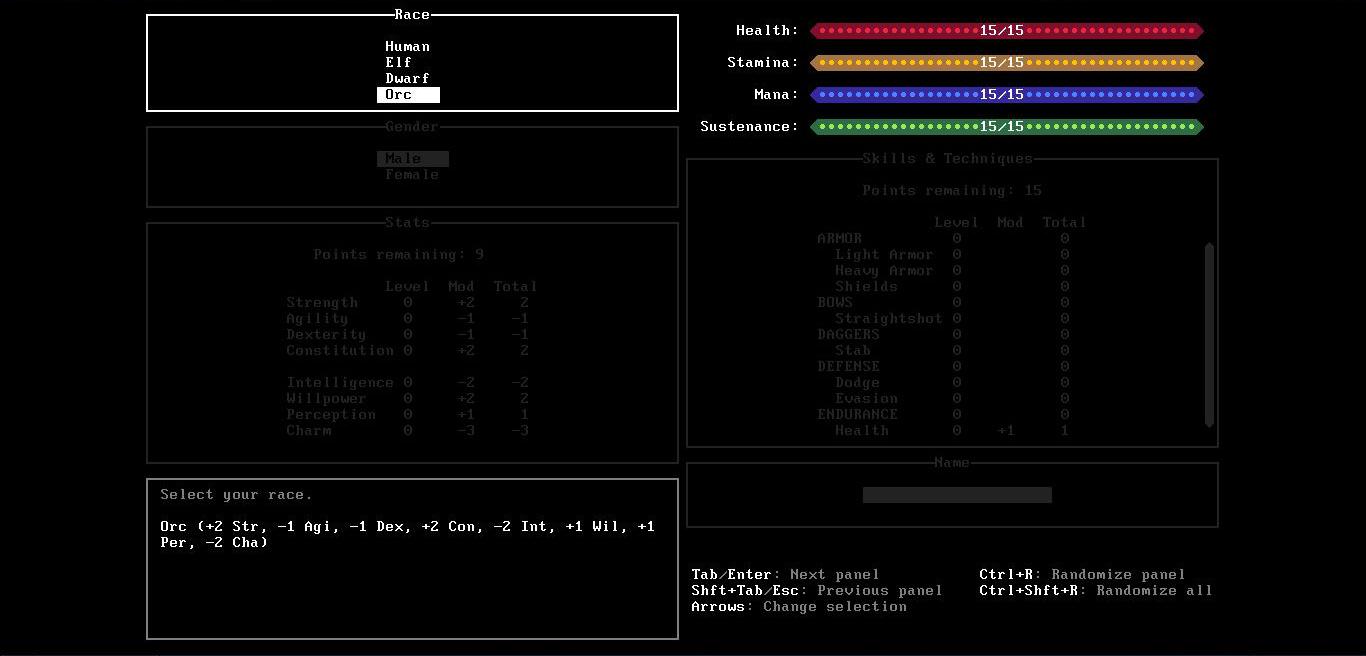
 ToME4 currently has 8 races and 17 classes, with more being added at regular intervals. One controversial feature is that many of the races and classes are initially unavailable and must be unlocked through reaching milestones or completing quests in the game. The game is spread over a large world with several continents and over 30 dungeons. Some dungeons have very unique layouts and mechanics, such as the collapsing tunnels in the sandworm lair. As you would expect of a major roguelike there are several hundred enemy types, and they tend to have access to the same abilities as the player classes in true “player as monster” fashion.
 The game supports both graphical tiles and ASCII mode, with additional options for in-game music and sound effects. It also represents the actions of spells and abilities with procedurally generated graphical effects. Unfortunately these and a few other issues can cause the game to run slow on even fairly decent computers, and some players may need to tweak the video settings to make the game playable. The graphics, sound and music combine well with the intuitive mouse interface to make for a very modern looking game, whilst still preserving full ASCII and keyboard support for traditionalists. Overall the game is incredibly friendly to those with no roguelike experience, with tooltips for all enemies/items/statuses and extra game modes allowing additional lives and easier play.
 The talent system is the heart and soul of the game. Each class has access to around 10 distinct talent trees with 4 talents in each tree. Characters get points to invest as they level up, and can use them to improve existing talents or open up new ones. Each talent has stat and level requirements to unlock. Talents include lightning bolts, stealth, aimed shots, defensive auras, and many many more. It’s an incredibly flexible system that produces a lot of variety in play, whilst giving the player a large amount of choice in how to develop their character. Melee types are of especial interest in this system, as instead of simply bumping into enemies players must also consider the best use of activated and sustained skills in overcoming their foes.
 The best thing about the talent system is the variety that exists between the classes. There is some overlap of talent trees available, but the majority of them are unique to their own class. Many classes also have their own specific resource bar, often with individual ways to replenish them. For instance the Cursed class has a “Hate” bar which is filled by killing enemies, encouraging the player to maintain intense killing sprees to keep their abilities at peak performance.
 The major fun in the game comes from exploring the dungeons and killing enemies, with careful choices being made about which talents to use and when. With over 40 abilities available on some characters there are a lot of tactical decisions to be made. The game is not afraid to break away from tradition, with no food clock, auto-identification of items from early on, and consumables (potions/scrolls etc) replaced by activated “runes/infusions” with cooldowns. Whilst some veteran roguelike enthusiasts may miss the item management gameplay elements the changes do help focus the game purely on the combat. The runes/infusions system especially helps to prevent players from simply amassing potions to escape any harm, and require careful play to use at the optimum time. The inevitable deaths in the game come entirely from HP-reducing attacks – there are no cheap death rays or instant killing enemies, though monsters that can stun or freeze the player are particularly dangerous. Gameplay is tight, challenging and very fun, with many interesting bosses and edge-of-your-seat fights.

 The game is still in beta stage, and this is noticeable in some of the performance issues and in rough edges at various points. However it is still eminently playable and completable, and development is ongoing at a breakneck speed. The last 3 months of 2010 alone have seen 7 major updates, including a great many new features, dungeons, items and a wealth of major gameplay changes. DarkGod is very active in the ToME community and eminently responsive to suggestions and contributions from players. For 2011 he is planning a vast upgrade of the tiles with impressive new artwork from Shockbolt, and additional classes/races/quests/zones to move the game out of beta stage.
A sneak-preview of the new-look ToME4:

ToME4 is built on the T-Engine 4 roguelike engine designed by DarkGod, with the core engine code written in C and Lua and module files written entirely in Lua. The engine is open source and is reported to be extremely flexible and adaptable to new roguelike projects. To find out more about ToME and T-Engine and to download the latest version visit http://te4.org/




 Temple of The Roguelike